The Wheel of Life – Health

Discover tools and inspirations to support your (mental and emotional) health.
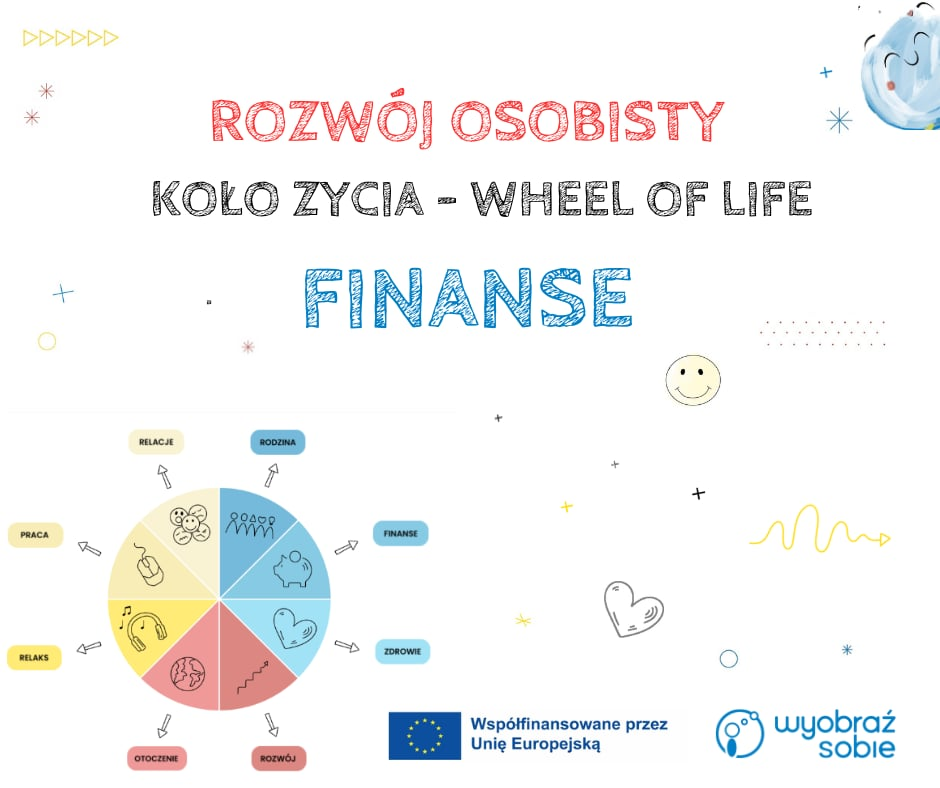
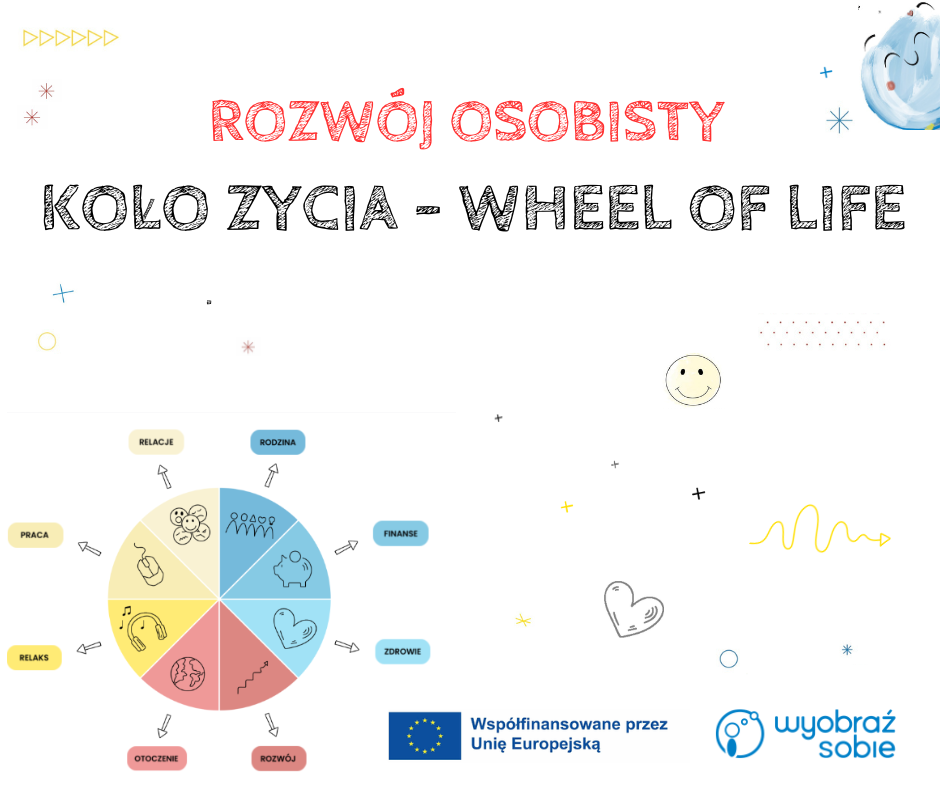
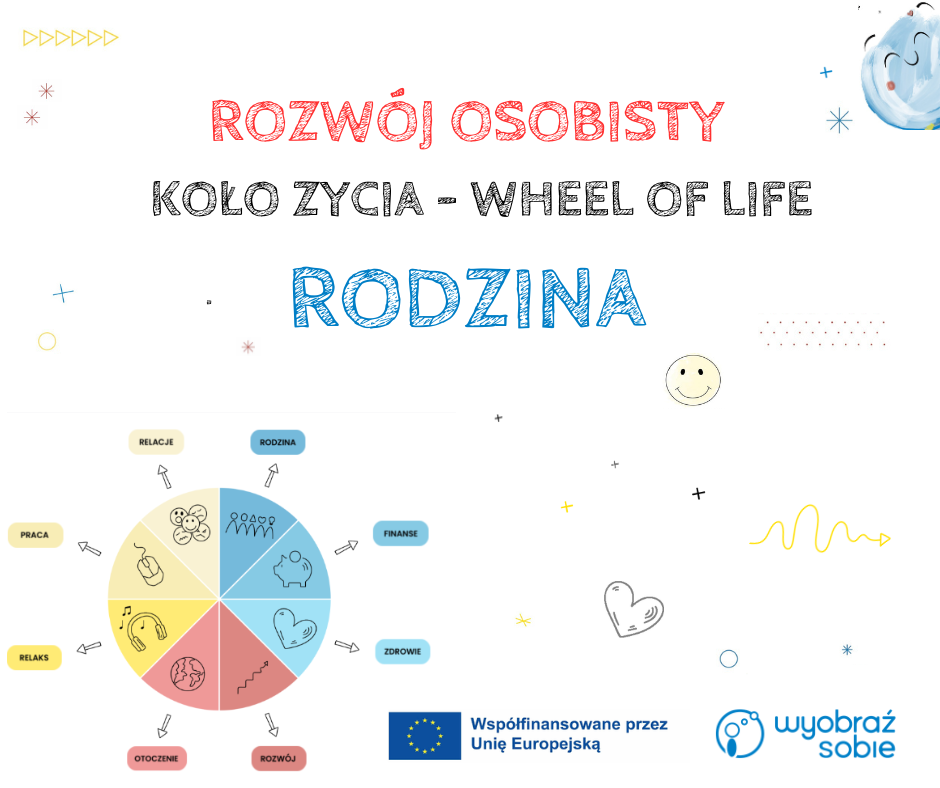
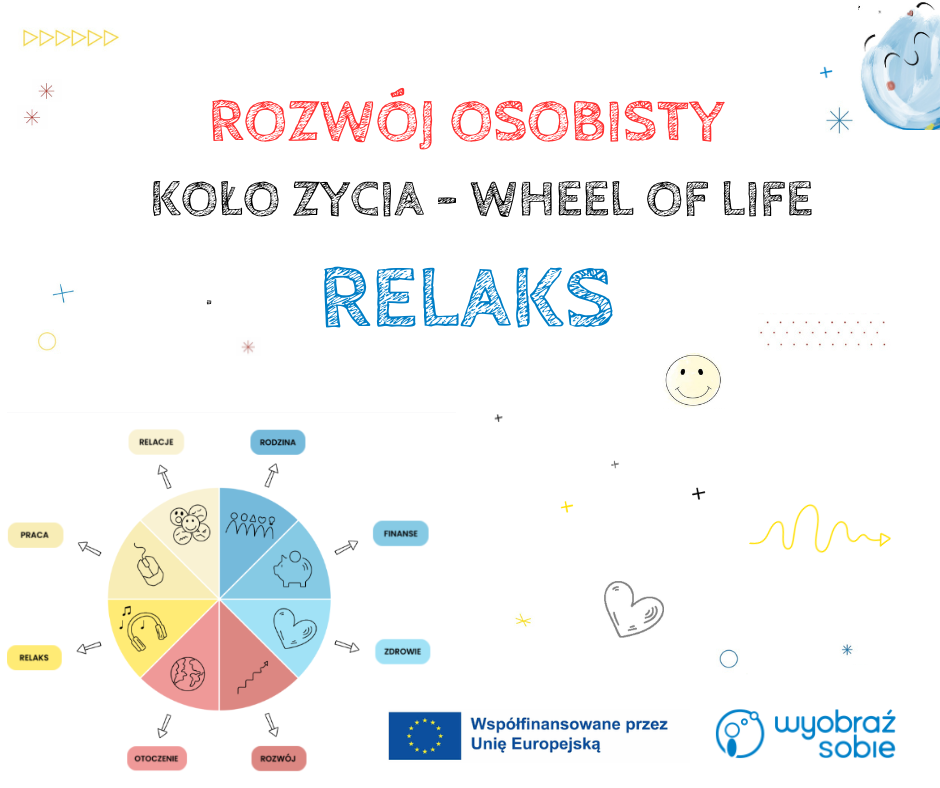
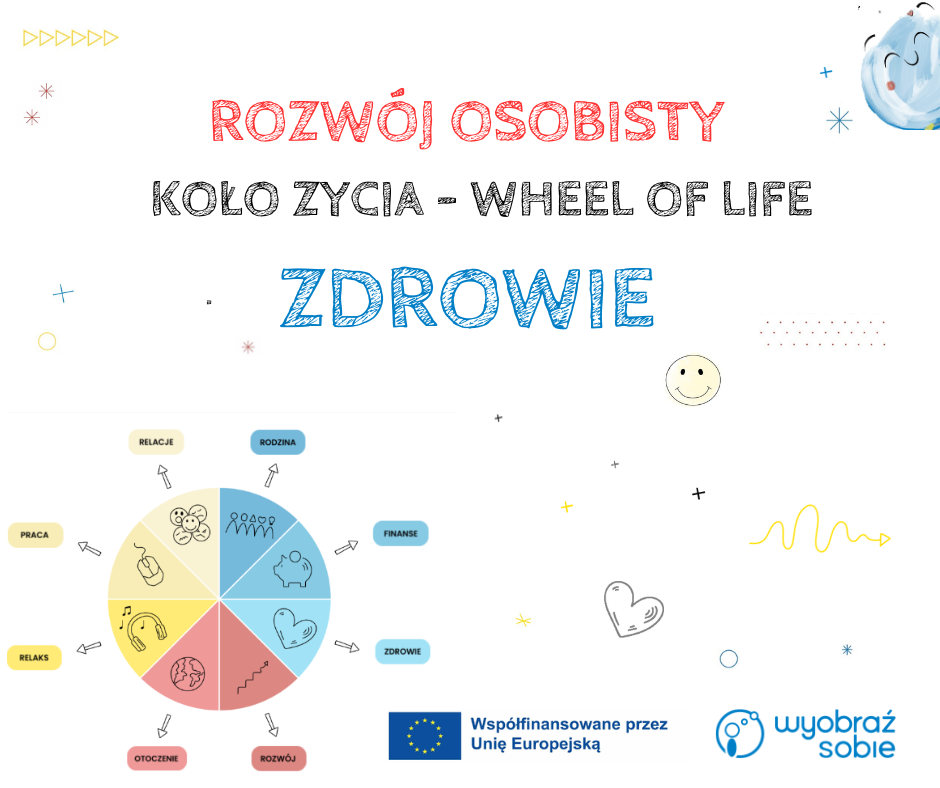
Within The Wheel of Life international project for adult learners for 8 months, we explore 8 areas of The Wheel of Life exercise, which include:
- Family
- Relationships
- Work
- Finances
- Relax
- Health
- Environment
- Self-Development
Within every month as partner organisations, we:
– Meet at the beginning of the month to exchange experiences and brainstorm various tools, inspirations, and approaches connected to the theme of the month that can support our adult learners in their educational journey.
– Write four posts in national languages on social media to share some of the tools with our target groups.
– Organize offline and online workshops to explore 2 topics chosen by our target groups from each area.
– Write an article on EPALE to share our experience.
March 2025 was dedicated to Health, and the topics that our adult learners considered the most important were coping with fear and anxiety (including the importance of sleep, diet, exercise, and regeneration for health) and emotional management.
Through posts and offline and online workshops, we shared with them various tools, articles, methods, and inspirations related to those two topics. We collected some of the lessons learned below so they can serve the wider community of adult learners and educators.
Understand stress and emotions
Before diving into strategies, it’s important to understand the difference between a stressor (the external factor that induces stress) and stress itself (the body’s reaction to that factor). Often, we believe that the stress also disappears once a stressor is removed. However, stress can linger in our bodies. Thus, we must find ways to complete the stress response cycle and inform our bodies that we are safe.
Emily and Amelia Nagoski suggest a variety of effective methods for managing stress and emotions:
- Physical activity: Engage in movement, whether going for a walk, playing a sport, or dancing. Physical activity can release accumulated energy and help your body process stress.
- Imagination: Use visualization techniques. Imagine overcoming a challenging situation, or picture how stress feels in your body and then leave it. Relaxation exercises can be beneficial.
- Creative expression: Activities that engage your creativity—including painting, cooking, or writing—can be an important outlet for emotional tension.
- Connection: Creating and maintaining relationships with loved ones can provide significant emotional support. This could mean reaching out to friends, praying, or even spending time with pets.
Strategies for emotional management
In addition to the methods mentioned above, here are several foundational practices that can improve your emotional stability:
- Prioritize sleep: Aim for at least 7 hours of quality sleep per night. Insufficient sleep can severely impact your cognitive functions and overall well-being. The Nagoski sisters highlight how critical sleep is for mental acuity.
- Take rest: According to research, a significant portion of our schedule—around 42% including sleep —should be dedicated to rest and recovery. Regular rest can improve productivity and personal happiness, but remember, you are not here to just be productive; you deserve to enjoy life fully!
- Nourish your body: A balanced diet is key to emotional health. Even small changes—like cooking a healthy meal instead of eating fast food—can significantly improve your mood and energy levels.
- Movement: If traditional exercise feels daunting, start small. Walk instead of driving short distances, take the stairs, or try a sport you’ve always wanted to explore, such as yoga or dancing.
Emotional Awareness
Every emotion, whether pleasant or unpleasant, carries vital information. Here’s a brief overview of some common emotions and what they may signify:
- Fear: Indicates perceived danger, prompting action to ensure safety.
- Anger: Alerts you that boundaries have been crossed and encourages immediate responses.
- Frustration: Signals unfulfilled expectations, which may require reevaluating goals or paths.
- Sadness: Represents loss and invites reflection and processing.
- Joy: Reflects that your needs are met and encourages gratitude and sharing.
Understanding your emotions is crucial in managing them effectively.
Mindfulness and relaxation techniques
Mindfulness practices are increasingly recognized for their positive impact on mental health. Here are a few techniques to incorporate into your daily routine:
- Meditation: Try a body scan meditation to improve awareness of your physical state and promote relaxation.
- Creativity: Color mandalas or engage in crafts to help organize your thoughts and soothe your mind.
- Breathing: To calm anxiety, practice extending your exhalation. For example, inhale for four counts, then exhale for eight.
- Nature: Spend time outdoors. Observe your surroundings with all your senses—take your shoes off, feel the grass, listen to the birds, and enjoy the peace nature can bring.
Additional Resources
In English:
- Emotions and their message:
https://www.oneheartcounselingcenter.com/meaning-behind-common-feelings/
https://www.pathtohappiness.com/understanding_emotions.htm
https://thecostaricanews.com/the-messages-that-our-emotions-give-us/
https://www.exchangetheworld.info/changemakers/categories/emotions
- Emily and Amelia Nagoski speech on closing the stress cycle: https://www.youtube.com/watch?v=BOaCn9nptN8&ab_channel=XOXOFestival
- Emily and Amelia Nagoski book about burnout: Burnout: The Secret to Unlocking the Stress Cycle
- Article about regeneration: https://www.exchangetheworld.info/single-post/we-dont-need-your-sacrifi…
In Polish (articles):
- https://www.annaszreder.pl/post/domykanie-cyklu-reakcji-stresowej-czyli-co-warto-wiedzie%C4%87-by-efektywnie-radzi%C4%87-sobie-ze-stresem
- https://www.exchangetheworld.info/single-post/nie-potrzebujemy-twojego-samoposwiecenia
- https://www.exchangetheworld.info/changemakers/categories/emocje
In Slovenian:
- Breathing exercises to overcome stress “Stresi stres dih” with Nataša Jerman Rajh
https://www.youtube.com/watch?v=nk9L05KMhS0
https://www.youtube.com/watch?v=UmLZycnlupk
https://www.youtube.com/watch?v=OiqdjwCjin0
The Wheel of Life project is co-financed by the European Union. Its main objective is to prepare, test and share tools of holistic development for adult learners in 8 key areas: Family, Relationships, Work, Finances, Relax, Health, Environment, Self-Development.
The Wheel of Life is implemented by two organizations: Fundacja Wyobraź sobie from Poland (leader) and ASPIRA from Slovenia (partner).