The Wheel of Life – Family Our First World

Discover tools and inspirations to deal with stress and develop deeper relationships!
The Polish organisation Fundacja Wyobraź Sobie, in collaboration with Aspira from Slovenia, has launched an Erasmus+ project titled The Wheel of Life in the field of adult education. The project aims to develop in-depth methods and approaches for working with various aspects of the Wheel of Life, with each partner selecting areas they find particularly relevant. Each month, the project focuses on one specific area:
- In January, the focus was on Finance.
- In February, we explored Relationships.
- March was dedicated to Health, and
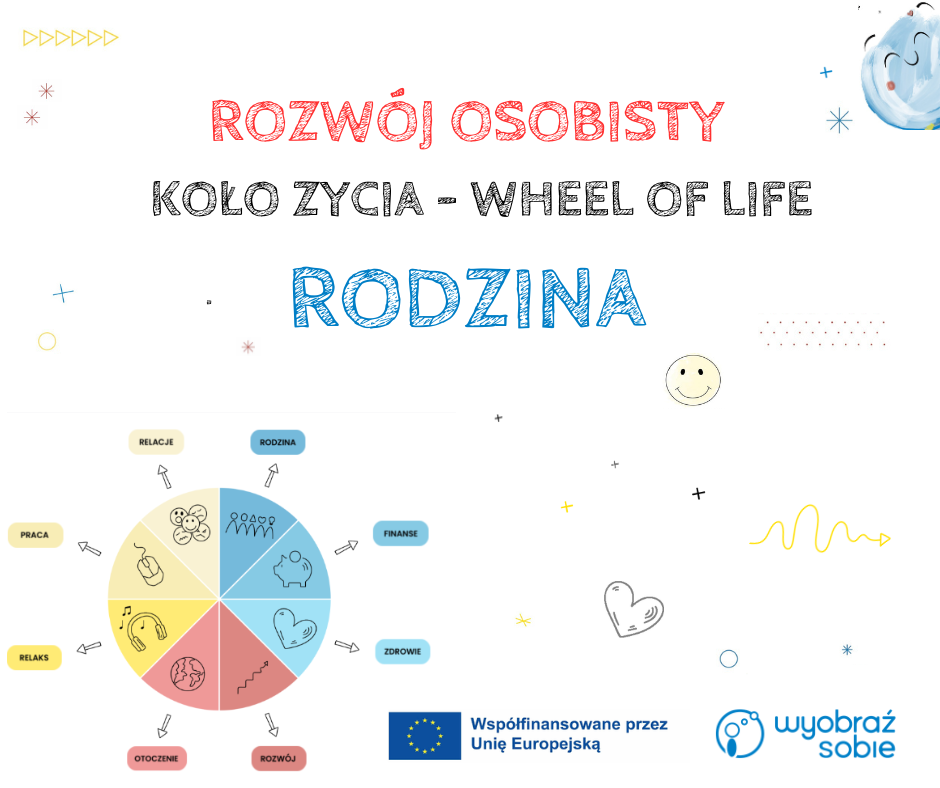
- In April, we focused on Family.
To explore the topic of Family, we organised one online workshop and two in-person workshops. During these sessions, we delved into several key areas, including:
Family as a foundation
Family is the foundation of emotional support and stability in a person’s life. Strong family relationships provide a sense of belonging, identity, and security from childhood through adulthood. These bonds help shape values, beliefs, and behaviours, giving individuals the tools to navigate the world confidently. A nurturing family environment plays a key role in emotional development and contributes to a person’s ability to form positive relationships outside the home.
Families can be a crucial source of comfort and resilience in times of stress and difficulty. Family members often provide practical support and encouragement, whether it’s the pressure of school or work, financial worries, or personal setbacks. Open communication and mutual trust within the family help individuals cope more effectively with life’s challenges. Knowing someone is there to listen, offer advice, or simply be present can significantly reduce stress and promote mental well-being.
Moreover, building and maintaining healthy relationships with loved ones is essential for long-term happiness and life satisfaction. Healthy family dynamics—based on respect, empathy, and shared responsibilities—foster positive interactions and reduce conflict. These relationships serve as a model for forming other strong social connections. Investing time and effort into family bonds strengthens the family unit and enhances emotional health, making individuals more resilient and better equipped to face the complexities of modern life.
Resilience Concept and How We Can Work on It as Family Members and as a Family
Resilience is the ability to bounce back from adversity, adapt to change, and keep going despite challenges. Within a family, resilience is nurtured by fostering open communication, emotional support, routines, and shared problem-solving. Family members can model positive coping, encourage one another, and create a safe space for expressing emotions. By facing challenges together and celebrating small wins, families strengthen their collective ability to thrive, even in tough times.
Stress vs. Stressor
Stress is the body’s and mind’s natural response to any demand or challenge, while a stressor is the specific event or situation that triggers that response. For example, a looming deadline is a stressor, while the following anxiety or tension is stress. Understanding the difference helps us better identify what we’re reacting to and manage our emotions accordingly. Stress itself isn’t always harmful—it can motivate us to take action—but chronic or overwhelming stress without resolution can be detrimental to mental and physical health.
Different Ways of Dealing with Stress
People cope with stress in various ways, ranging from healthy strategies like exercise, deep breathing, and talking to loved ones, to less helpful habits like avoidance, overeating, or substance use. Adaptive coping strategies such as mindfulness, time management, seeking social support, and engaging in hobbies can help reduce stress’s negative impact. The key is recognising personal stress responses and choosing constructive methods promoting long-term well-being and emotional balance.
Ideas for Regulation
Effective self-regulation strategies include deep breathing, grounding exercises, movement (like walking or stretching), creative activities (like drawing or music), and sensory tools (like a warm drink or a weighted blanket). These help the nervous system return to a calm state. Regular routines, sufficient sleep, and healthy nutrition are vital. Over time, practising these techniques builds emotional awareness and resilience, making it easier to stay regulated during challenging moments.
Co-regulation
Co-regulation is the process of calming and stabilising emotions with the help of another person. This happens naturally in supportive relationships where one person’s calm presence helps another feel safe and grounded. For example, a parent soothing a crying child or a friend offering comfort during a tough time are acts of co-regulation. It reminds us that emotional health is often a shared experience, and being present and attuned to one another builds deeper bonds and emotional safety.
Self-regulation
Self-regulation is the ability to manage one’s emotions, thoughts, and behaviours in the face of stress or strong emotions. It involves recognising our feelings, pausing before reacting, and choosing how to respond. Self-regulation develops over time and can be strengthened through mindfulness, emotional awareness, and consistent practice. It empowers individuals to navigate life with greater emotional stability and to maintain healthy relationships.
For you
- Friedemann Schulz von Thun’s Four ‘Ears’ Model of Communication (https://www.youtube.com/watch?v=_N-lRE47t4k)
- Dr. Gary Chapman’s Concept of the Five Love Languages: A Key to Healthier Relationships – Including Within the Family (https://www.youtube.com/watch?v=doRMsjoDevY)
- Book “The Four Winds” by Alberto Villoldo (in English, “Štiri poti” in Slovene).
- 5 languages of love (quiz: https://5lovelanguages.com/quizzes/love-language)
- Article on 5 languages of love (https://www.exchangetheworld.info/single-post/2020/08/08/love-languages)
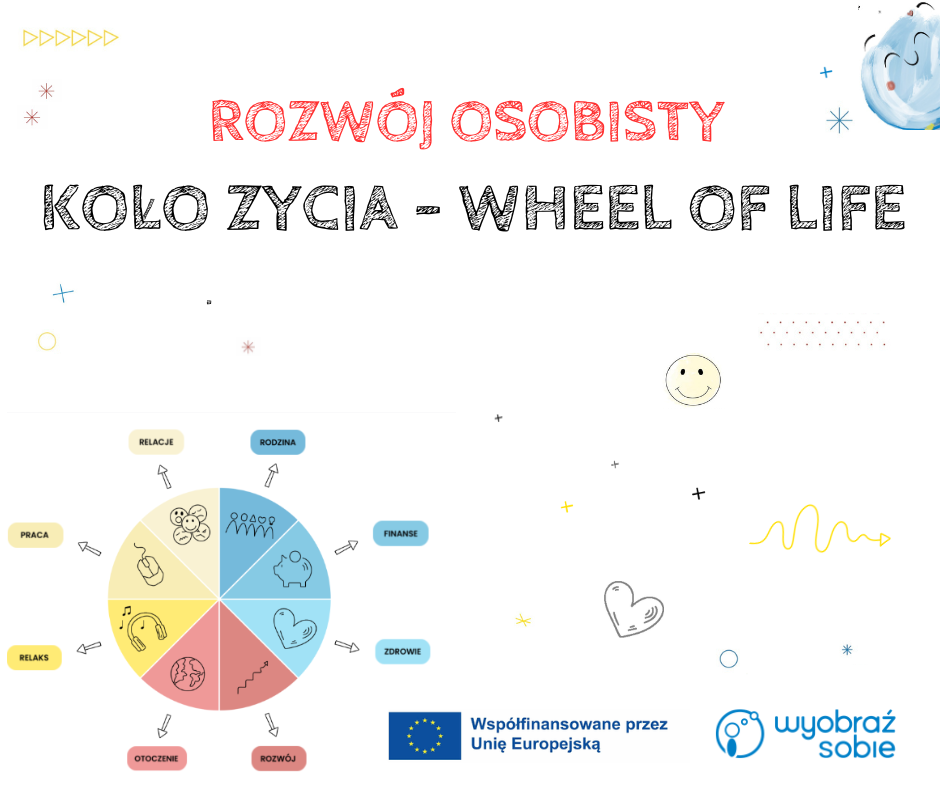
The Wheel of Life project is co-financed by the European Union. Its main objective is to prepare, test, and share tools for holistic development for adult learners in eight key areas: Family, Relationships, Work, Finances, Relaxation, Health, Environment, and Self-Development.